
Lake Como villas are historic residential estates situated along a glacial lake shoreline, where architecture, cultivated gardens, and water-facing orientation combine to define a distinctive regional property type. These villas often originate from varied historical periods, including Renaissance, Baroque, and 19th-century Romantic revivals, and they typically feature formal terraces, ornamental plantings, and viewpoints arranged to integrate lake panoramas. The term encompasses both privately owned estates and properties that have been adapted for public access or cultural use, with each example reflecting local materials, construction techniques, and landscape planning that respond to the steep lakeside topography.
Beyond architecture and horticulture, these estates are part of an evolving cultural landscape that can include art collections, historic furnishings, and designed approaches from road or water. The setting along a freshwater body influences orientation, microclimates, and planting choices, while transport by lake historically shaped how estates were approached and developed. Many villas may have undergone successive alterations over centuries, resulting in layered stylistic details and gardens that combine formal axial arrangements with more naturalistic elements suited to sloping terrain.
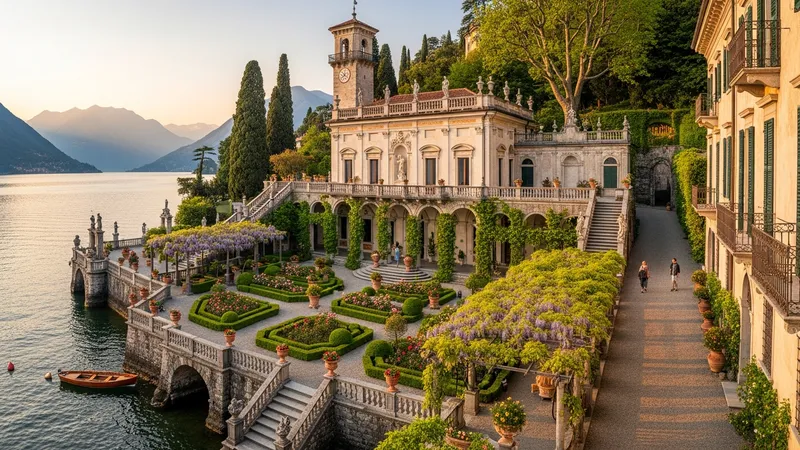
The examples listed above are representative selections often cited in scholarly and cultural sources; they illustrate how estate buildings, garden compositions, and lakeside siting may interact. Selection criteria for examples emphasize commonly referenced historical significance, distinct landscape features, and documented public access or archival records. These cases may serve as reference points for understanding patterns such as terrace construction, specimen planting, sculptural features, and the role of water views. Comparative study typically highlights how maintenance regimes and changing ownership affected preservation and interpretation over time.
Architectural elements at these estates can vary from masonry façades and loggias to decorative stucco and later ironwork. Many villas may display transitional features where earlier structural cores were remodeled in later periods. Rooflines, window proportions, and the presence of colonnaded loggias often reflect climatic adjustments for lakeside living, such as shaded outdoor rooms and galleries oriented to prevailing breezes. Conservation approaches typically address both structural integrity and historical fabric, recognizing that interventions may range from material repair to interpretive presentation.
Garden layouts at lakeside estates frequently combine formal terraces with informal slopes, using retaining walls, stairways, and axial paths to negotiate steep gradients. Planting palettes historically incorporate ornamental trees, clipped hedges, and flowering shrubs suited to a freshwater microclimate, though species choices have changed as botanical introductions occurred. Water-facing terraces and vantage points are commonly focal elements, and hardscape features—fountains, statuary plinths, balustrades—often serve both aesthetic and practical roles in site management and circulation patterns.
Access and setting play an important role in how these properties were used and perceived across centuries. Many estates were designed with both land and water approaches in mind; boathouses, landing stages, and lakeside terraces reflect this duality. Shoreline orientation may affect exposure to wind and light, altering garden microclimates and the placement of structures. Historic transport networks, including lake routes, often influenced estate placement and the social role of a villa within a broader regional network of residences and gardens.
Stewardship and presentation of lakeside estates can vary according to ownership, public interest, and conservation policy. Some properties remain private residences with restricted access, while others are managed by cultural institutions or heritage trusts that document historical features and arrange for maintenance. Funding models, volunteer programs, and conservation plans typically influence how gardens and buildings are preserved. Considerations often include erosion control along shorelines, drainage on steep sites, and balancing visitor use with long-term preservation objectives.
In summary, these estates illustrate an interplay of architectural evolution, garden design adapted to sloping lakeside sites, and historical patterns of access and use. Examining representative examples helps clarify common design approaches, landscape solutions, and conservation considerations that can apply across similar properties. The next sections examine practical components and considerations in more detail.
Architectural analysis of lakeside estates typically identifies layers of development where original residential cores were extended or reshaped over time. Early cores may be medieval or Renaissance in origin, with later additions reflecting Baroque ornament, neoclassical symmetry, or 19th-century eclectic tastes. Common features include loggias and porticoes opening toward the lake, load-bearing masonry suited to local stone, and decorative plasterwork or frescoes in principal rooms. Climate and lakeside orientation often encouraged design elements that promote cross-ventilation and shaded external living spaces, and structural adaptations may respond to slope stability and foundation conditions near water.
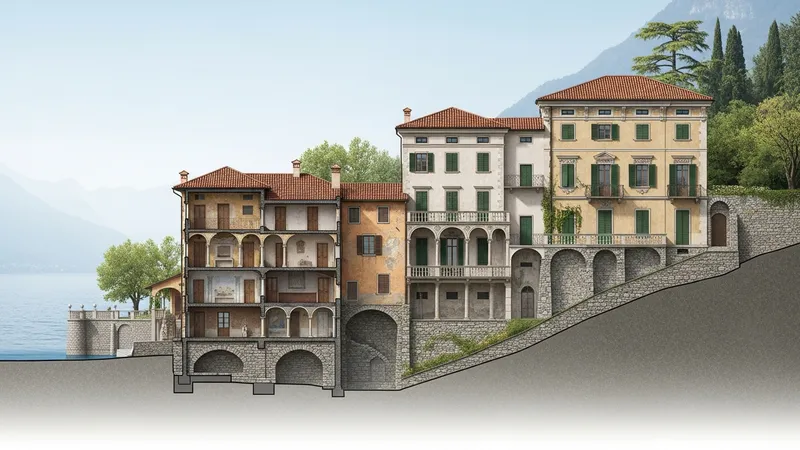
Material choices frequently reference regional resources, and masonry, terracotta, and timber ceilings are recurring elements. Roof forms can vary from low-pitched tiled roofs to stepped eaves depending on period and local practice. Window treatments and balcony designs often prioritize views and access to terraces; these features can influence interior circulation patterns. Restoration work may focus on preserving original fabric such as fresco cycles, carved stonework, and period joinery, while also addressing modern performance needs in a manner sensitive to historical integrity.
Historical documentation—including estate archives, cadastral maps, and visual records—can reveal phases of construction and landscape change. Scholarly study often reconstructs a sequence of interventions, linking stylistic shifts to broader social and economic contexts like changing ownership, tastes, or transportation developments. For researchers and conservators, such records can guide decisions about which features represent the most significant aspects of a villa’s historical character and which later additions reflect evolving use patterns.
When studying architectural development, it may be helpful to consider how auxiliary structures—such as boathouses, limonaie (lemon houses), and service buildings—contribute to an estate’s function and appearance. These outbuildings often reflect practical responses to microclimate and productive gardening. Documenting their form and location can clarify how the estate operated as a self-contained landscape and how circulation between lake, garden, and house was organized historically. Continued study of these components typically informs balanced conservation approaches and interpretive narratives for the site.
Garden compositions on lakeside estates often combine formal geometry with adaptive terrace systems to manage steep slopes. Terracing provides flat areas for ornamental beds and statuary while stabilizing soil; retaining walls and stairways link levels and create framed viewpoints. Designers commonly oriented main axes and vista points toward the lake, using alleys, pergolas, and specimen trees to frame views. In cooler, moisture-moderated lakeside environments, plant palettes may include evergreen hedging, Mediterranean-influenced shrubs, and introduced ornamental trees that were fashionable in different historical periods.
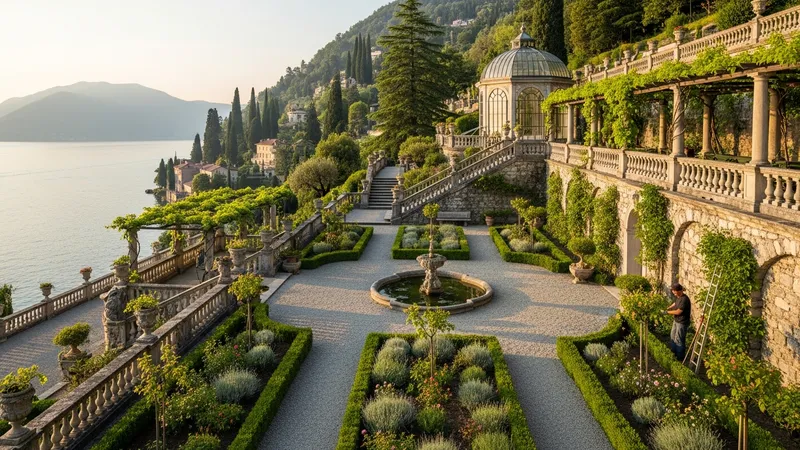
Specific horticultural features such as orangeries or limonaie were sometimes incorporated where microclimates allowed overwintering of tender plants. Water features, fountains, and reflective pools can appear within formal garden compartments, serving both aesthetic and microclimatic roles. Choice of hardscape materials—stone paving, gravel paths, and balustrades—often reflects local practices and contributes to drainage management on sloped sites. Garden maintenance regimes historically included pruning cycles, seasonal bedding, and structural repairs to terraces and retaining walls.
Planting schemes have evolved with botanical introductions and changing tastes; for example, 19th-century interest in exotic species led to specimen plantings that persist in many historic gardens. Contemporary management of historic plantings typically involves assessing original planting intent, the longevity of existing specimens, and the compatibility of replacement species with site conditions. Documentation such as planting plans, historic photographs, and nursery records can assist in informed decisions that respect historical character while addressing present-day horticultural realities.
Garden conservation considerations often focus on erosion control, soil stability, and long-term viability of large trees and terraces. Adapting maintenance to suit both historical patterns and ecological conditions may involve choosing durable materials for paths, ensuring adequate drainage to protect structural features, and planning for the staged replacement of aging specimens. These considerations influence how gardens are presented, interpreted, and sustained for future study and enjoyment without prescriptive instruction.
Lakeside estates were frequently sited to maximize views and secure favorable approaches by water and land. Historically, lake access could be as important as road access; landing stages and boathouses facilitated arrival and framed arrival sequences. Topography often dictated placement of primary façades and terraces, with principal rooms oriented toward panoramic views. Infrastructure considerations include slope stabilization, drainage control, and protection against shoreline erosion—all factors that may influence long-term preservation of both built and planted elements.
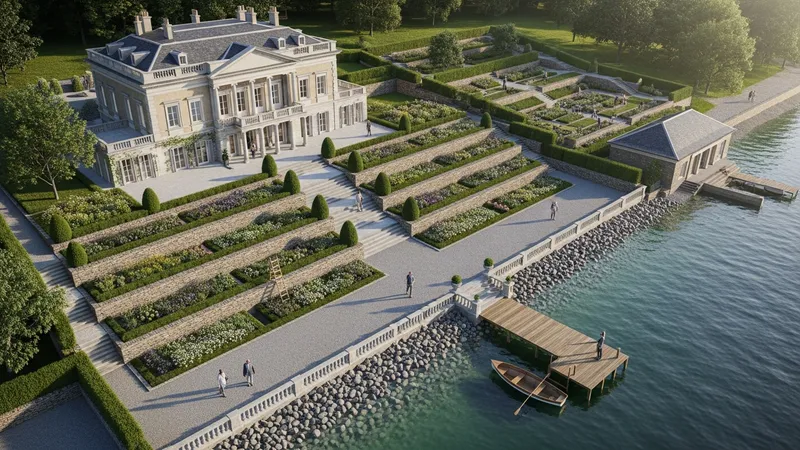
Circulation within an estate commonly includes a hierarchy of routes: service paths and terraces for maintenance, formal axial walks for visual effect, and lakefront promenades. The relationship between public and private spaces can vary; some properties retain clear separations while others show continuity between garden and lakeside promenade. Historic estate plans and contemporary use patterns provide insight into how movement and access have changed over time, often in response to transportation advances and evolving social customs surrounding leisure and mobility.
Infrastructure interventions sometimes require careful assessment to avoid compromising historic fabric. Drainage upgrades, retaining wall reinforcement, or shoreline armoring can affect archaeological deposits and landscape character. Conservation planning may therefore prioritize reversible or minimally invasive techniques when addressing stability and access needs. Such projects typically involve interdisciplinary input from architects, engineers, and landscape specialists to balance structural performance with aesthetic considerations.
Considerations for estate stewards include the impact of climatic and hydrological changes on shoreline conditions and terrace integrity. Long-term monitoring of slope movements, tree health, and water-related wear on structures is often recommended as part of a heritage-sensitive maintenance strategy. These information-gathering approaches may assist in prioritizing interventions and understanding how patterns of use and environmental change intersect at lakeside estates.
Conservation of lakeside estates typically addresses both the physical fabric of buildings and the integrity of gardens as cultural landscapes. Interpretation efforts aim to present historical narratives that situate properties within local social, artistic, and economic histories. Documentation archives, guided research, and condition assessments often underpin conservation work, helping to identify key periods of significance and guiding interventions that are compatible with documented character-defining features. Such work may also consider intangible elements, including historical garden practices and patterns of seasonal use.
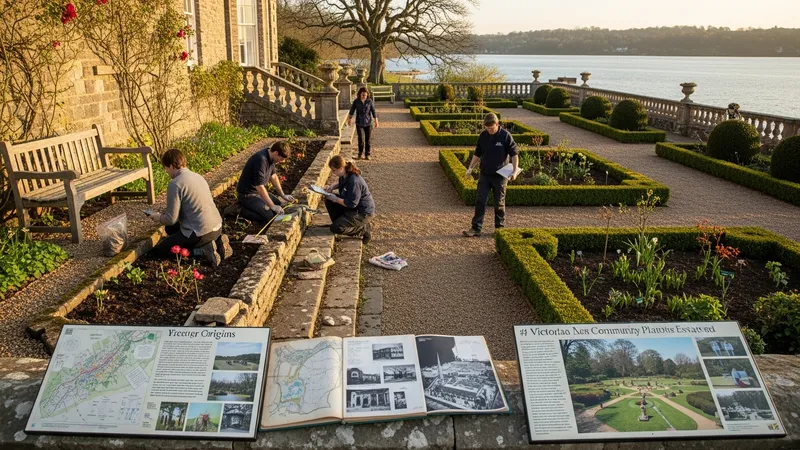
Institutions managing historic estates may develop maintenance plans, horticultural strategies, and interpretive materials that convey layered histories without prescriptive claims. Funding, legal protections, and community involvement frequently shape the extent and nature of conservation activities. Engagement with archival evidence and comparative studies of similar properties can clarify typical patterns of change and common preservation challenges encountered on lakeside sites.
Interpretation strategies commonly emphasize context: explaining how architectural and botanical features relate to broader historical themes such as landscape fashion, regional trade in plant species, or evolving leisure customs. Presentation may include descriptive materials and onsite signage that document construction phases or notable design elements, always using neutral language that aims to inform rather than persuade. Such approaches assist readers and visitors in understanding the estate’s role within a wider cultural and environmental setting.
Ongoing stewardship considerations include the careful sequencing of repairs, monitoring of environmental impacts, and documentation of interventions for future reference. Collaboration among conservators, horticulturists, and historians may support balanced decision-making that maintains both structural stability and historical authenticity. Continued research and recording are often necessary to refine understanding of these complex sites and to sustain their historical and landscape values over time.