
Luxury apartments in Milan describe high-end residential units located within the city’s central and well-connected districts. These properties typically combine larger floor plans, higher-quality finishes, and building services such as concierges or controlled access. In Milan, the concept also often reflects proximity to cultural institutions, established retail corridors, and business hubs; location affects both daily convenience and long-term value. Describing the concept involves noting how urban context, building typology, and local regulations intersect to define what is commonly considered a luxury apartment in the Milanese market.
Such apartments may be found in historical palazzi with restored interiors, modern developments with contemporary facades, or mixed-use projects that include private amenities and landscaped courtyards. The designation of a property as “luxury” often depends on a combination of neighborhood character, square-metre prices, and available services rather than a single defining metric. Buyers and observers often evaluate transport links, nearby green spaces, and the local retail and dining environment when characterising these addresses in Milan.
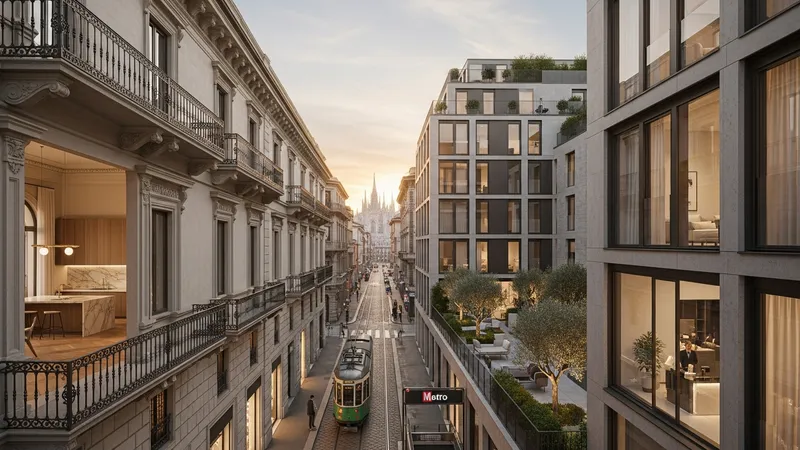
Selection criteria for identifying neighbourhoods that often host luxury apartments may include transport connectivity, prevalence of restored historical buildings versus modern inventory, proximity to cultural institutions, and presence of premium retail. These criteria are commonly referenced by industry observers and local registries when categorising addresses in Milan. Each criterion can influence price per square metre and typical tenant or owner profiles; for example, proximity to a metro line often correlates with higher demand among professionals working in finance or services sectors.
Transport connectivity frequently shapes location value in Milan. The city’s metro lines (M1, M2, M3, and M5), regional rail connections at Milano Centrale and Porta Garibaldi, and local tram routes may affect daily commute times and perceived convenience. Limited-traffic zones such as Area C in central Milan also influence vehicle access and parking considerations; buyers often note whether a property is inside or outside such regulated zones when assessing lifestyle impact.
Architectural context and the residential environment contribute to how a property is perceived. Historical palazzi often offer high ceilings, internal courtyards, and traditional facades, while contemporary developments may prioritise open-plan layouts, energy efficiency, and private amenity spaces. Noise, access to green areas like Parco Sempione or small internal gardens, and the presence of concierge or security services are typical elements factored into assessments of luxury housing in Milan.
Pricing and holding costs form another relevant dimension. In addition to a purchase price per square metre, ownership often entails municipal and national tax considerations, condominium fees, and maintenance for older structures. These costs may vary substantially across neighbourhoods and building types; for example, modern developments often include higher ongoing service charges for shared facilities, while older properties may require periodic renovation costs. Market observers often examine both upfront and recurring expenses when describing luxury segments.
In summary, defining luxury apartments in Milan involves combining location, building type, services, and market pricing to form a practical characterisation. The examples above illustrate commonly referenced districts and the kinds of price ranges and attributes typically associated with them. The next sections examine practical components and considerations in more detail.
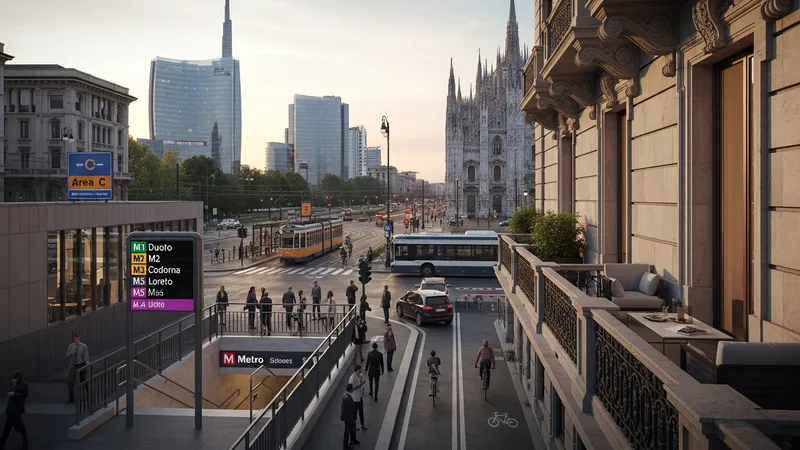
Transport infrastructure in Milan can play a decisive role in location choice for luxury apartments. The metropolitan network includes lines M1 (red), M2 (green), M3 (yellow), and the newer M5 (lilac), with major interchange stations at Duomo, Cadorna, and Loreto. Regional rail at Milano Centrale and Porta Garibaldi connects to national and commuter lines. Proximity to a station commonly reduces commuting times and may influence demand among professionals working in central business districts such as Porta Nuova or the fashion quarter.
Tram and bus services complement metro access in many central neighbourhoods, often providing last-mile connectivity where metro stations are farther from residential streets. Traffic regulations such as Area C (congestion charge within the central Cerchia dei Bastioni) affect car access and parking patterns; vehicles and resident permits are managed by the Comune di Milano. Parking availability, underground garages, and bicycle infrastructure are practical considerations that can affect the daily usability of a luxury apartment.
Aeronautical connectivity is relevant for international residents and frequent travellers. Milan is served by airports like Milano Linate and Milano Malpensa; travel times to these airports from central areas can vary and may influence the desirability of specific districts for executives or frequent travellers. In some cases, neighbourhoods near mainline stations are favoured for intercity rail access, while others are chosen for quieter residential character despite longer airport transfer times.
Transport-related selection often balances proximity to employment centres with residential tranquillity. For example, a property near Porta Garibaldi may be prized for short commutes to business hubs, while an address in Brera might prioritise cultural proximity and walkability. Assessing typical peak-hour connections, local tram frequency, and planned infrastructure projects may help clarify practical accessibility for prospective occupants without implying guaranteed outcomes.
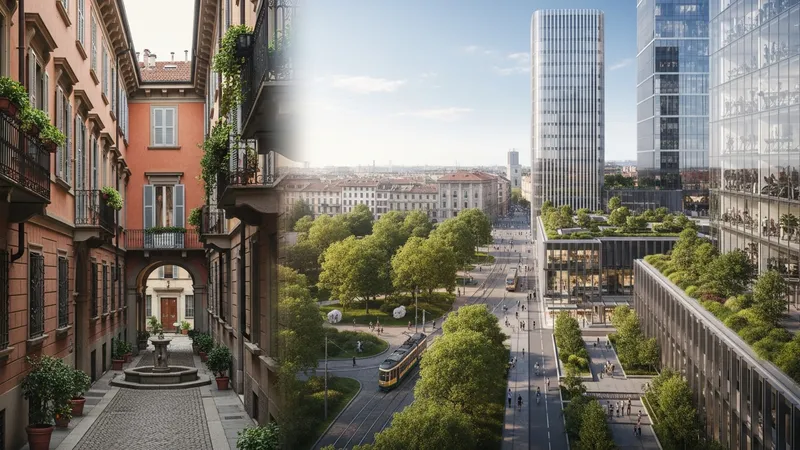
Architectural styles in Milan’s luxury segments vary from 18th–19th century neoclassical palazzi to contemporary glass-and-steel developments. Historic buildings often feature high ceilings, decorative plasterwork, and internal courtyards; these elements can be associated with higher restoration and maintenance needs. Contemporary developments such as those in CityLife frequently include on-site facilities like gyms or landscaped courtyards and may apply modern building standards for insulation and seismic compliance.
Residential environment includes considerations such as street typology, average building height, and presence of green spaces. Areas adjacent to Parco Sempione or smaller municipal gardens often present quieter microclimates and pedestrian-friendly routes. Conversely, districts blending retail and office functions, like portions of Porta Nuova, may have a more active daytime presence and different noise patterns. Buyers and renters often weigh such differences based on lifestyle preferences rather than any universal hierarchy.
Internal building services and management models affect living experience. Many luxury buildings operate as condominiums with portineria (concierge) services, controlled entry systems, and managed common areas. Service charges may reflect the level of on-site staffing and maintenance. In historical buildings, condominium rules and shared courtyard agreements can shape renovation options and façade restoration timelines; these legal and organisational details are a common practical factor in property assessments.
Sound insulation, light exposure, and orientation are physical characteristics that frequently determine internal comfort in Milanese apartments. Upper-floor units may offer quieter conditions and greater views but can involve different thermal exposure and elevator access. In some central districts, internal courtyards may provide calmer outdoor space relative to street-facing units. Such architectural and environmental nuances often shape perceived value within the luxury housing segment without being universally prescriptive.
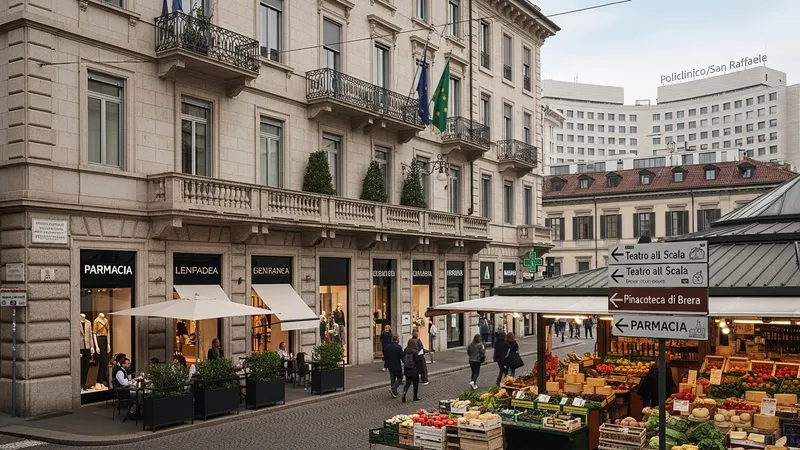
Proximity to cultural institutions and retail corridors is a recurring lifestyle consideration for luxury apartments. Locations near Teatro alla Scala, Pinacoteca di Brera, or the Quadrilatero della Moda typically provide immediate access to performance venues and specialist boutiques. Availability of quality dining, artisanal food stores, and market options such as nearby municipal markets can shape daily routines for residents and may influence demand for certain addresses.
Health and education services are part of the local amenity mix. Milan hosts public and private hospitals such as Ospedale Maggiore Policlinico and IRCCS Ospedale San Raffaele, and a range of international and local schools. Families and long-term residents often note proximity to such institutions when assessing neighbourhood suitability. Access to pharmacies, general practitioners, and emergency services is also considered within typical local checks.
Sports, leisure, and green spaces contribute to residential appeal. Parks like Parco Sempione and civic facilities such as swimming pools or private fitness centres may factor into lifestyle evaluations. Some modern developments include private gardens or rooftop terraces; these amenities often carry additional service costs. Observers and residents may balance such features with maintenance implications and local regulations governing shared spaces.
Retail and daily convenience elements may vary significantly between districts. Central shopping streets offer specialised luxury boutiques, while neighbourhoods slightly farther from the core may present larger supermarkets, independent cafés, and community shops. Public transport frequency, pedestrianisation initiatives, and neighbourhood planning decisions can change local amenity patterns over time; these dynamics are often monitored by local stakeholders without implying fixed outcomes.

Market pricing for luxury apartments in Milan is influenced by location, building quality, and supply dynamics. Central neighbourhoods commonly show higher per-square-metre values; sales prices may often range approximately €8,000–€20,000 per m² in well-established central areas, while high-quality peripheral districts may commonly fall into a somewhat lower range. Rental levels for luxury units vary by size and services and may also reflect seasonal and short-term demand patterns in the city.
Transaction-related costs and regulatory factors are part of ownership considerations. Purchases may involve notary fees, registration taxes, and municipal charges; VAT (IVA) can apply in certain new-build transactions depending on the seller’s status. Property taxes such as IMU may apply to secondary residences or certain property categories; specific liabilities depend on individual tax circumstances and local rules administered by the Comune di Milano and national authorities.
Rental taxation and contract types in Italy affect owner decisions. Landlords may sometimes opt for fiscal regimes such as cedolare secca for residential leases, which is an alternative tax treatment for rental income available under defined conditions. Lease forms such as transitory contracts or long-term agreements have different typical uses in the Italian market and may influence tenant turnover, administrative requirements, and net income expectations for owners.
Market liquidity, renovation requirements, and condominium governance are practical ownership considerations. Luxury properties in historical palazzi may require periodic restoration that involves communal decision-making; modern developments may feature higher ongoing service charges for shared amenities. Buyers often review condominium minutes, planned works, and recent sales in the building to assess likely near-term costs. Such due diligence is a commonly referenced step in evaluating luxury housing, presented here as informational context rather than as advice.